
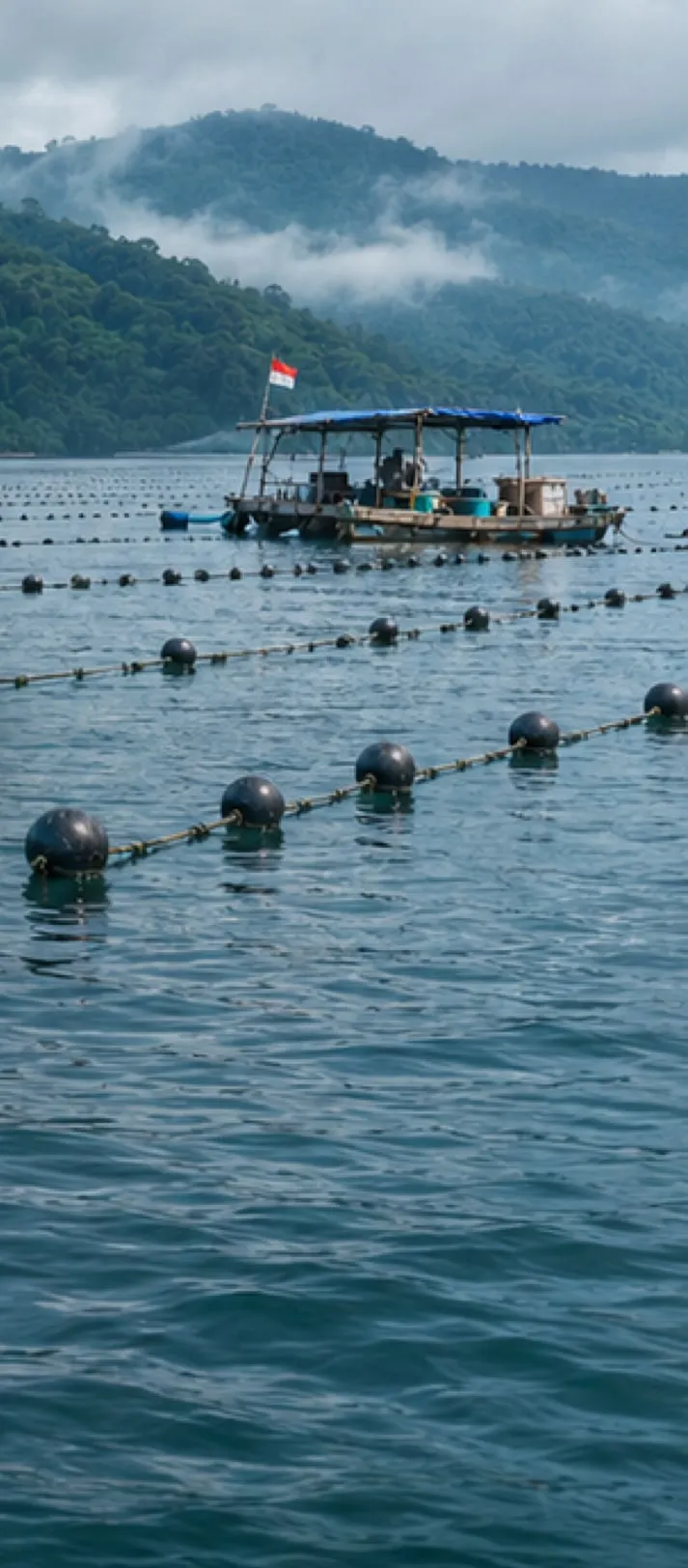
01 · North Bali
Oysters started dying. Nobody could say why.
Atlas Pearls reported mortality above historical levels at its nursery, two years in a row. It reviewed its own hatchery and found nothing wrong.
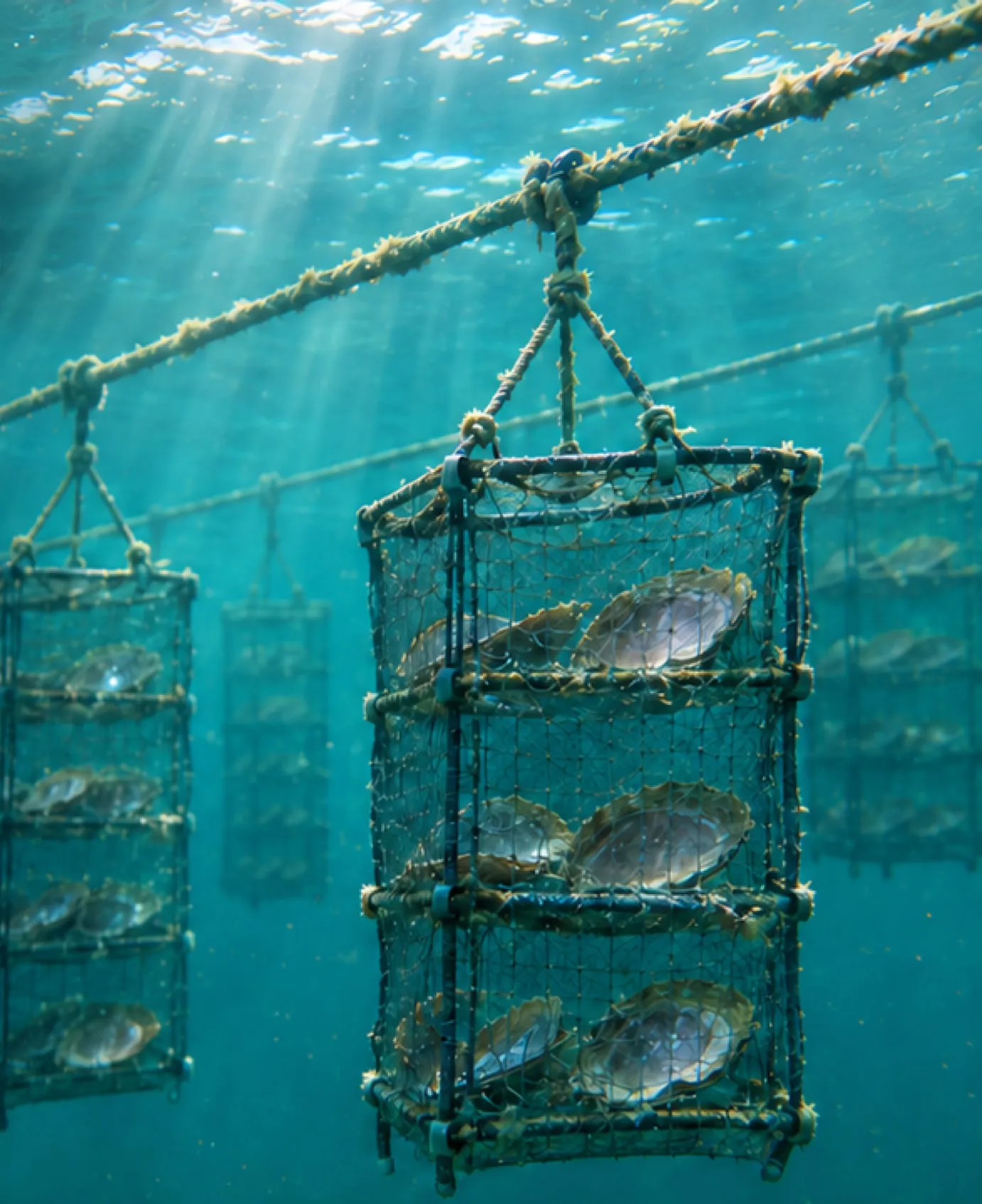
Climate-adaptive depth management for pearl oyster farms.
01 · North Bali
Atlas Pearls reported mortality above historical levels at its nursery, two years in a row. It reviewed its own hatchery and found nothing wrong.
02 · The suspect
“Environmental conditions are the most likely major contributor.”
The water itself is changing. The ocean’s surface is about 30% more acidic than before industry, and marine heatwaves add to the stress.
03 · A way out
Temperature and oxygen change with depth. Somewhere in the column there is often a layer that suits your oysters better. It moves with the weather and the season.
Warm surface
heat exposure
Suitable layer
cooler, enough oxygen
Deep water
oxygen can run low
Conceptual. Deeper is not automatically safer.
04 · The catch
Today the water is checked by hand, now and then. Baskets stay at one depth, and are moved manually, usually after conditions have already turned.
05 · Meet Pearlora
A retrofit for the longlines you already have. Nothing is replaced.
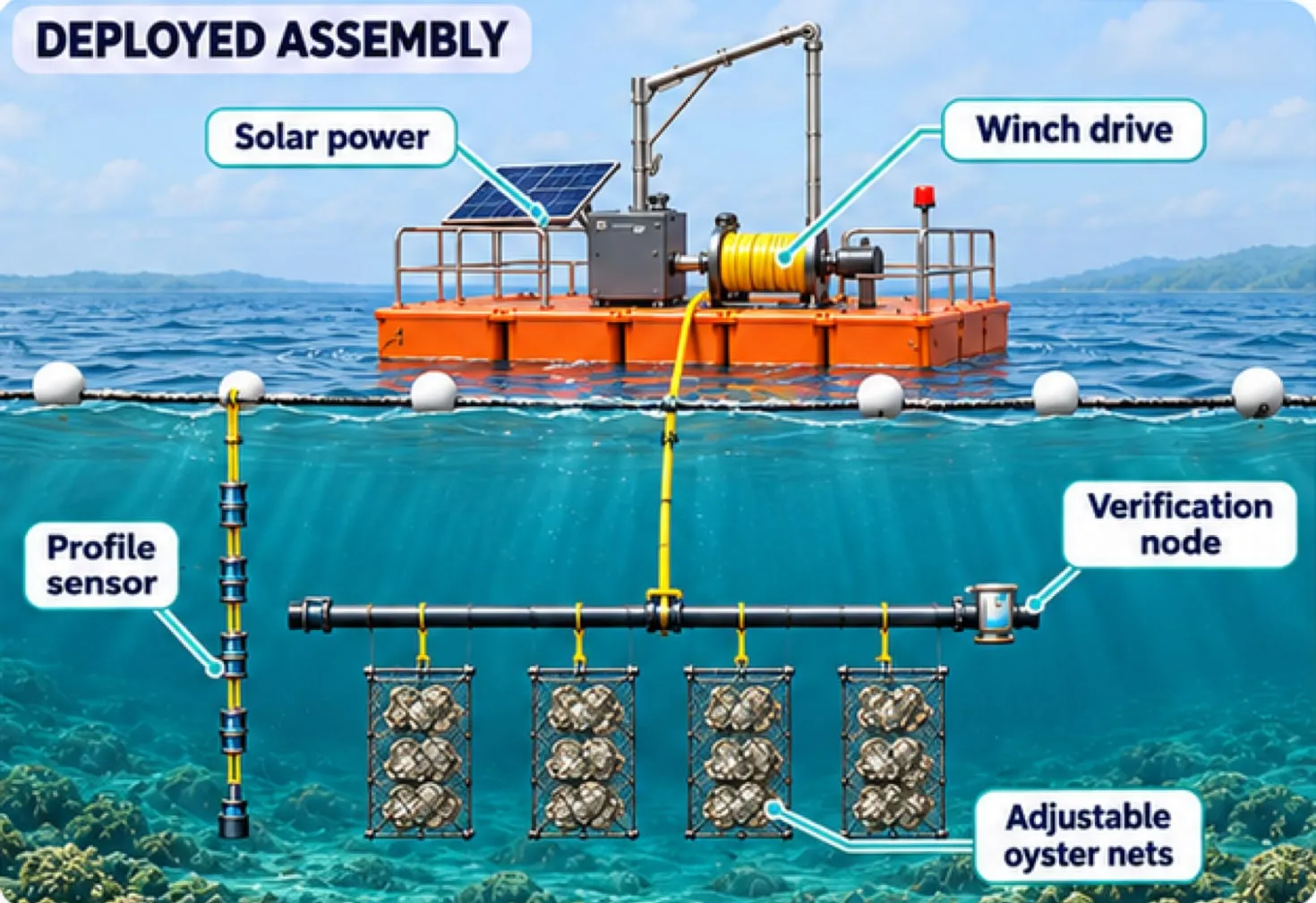
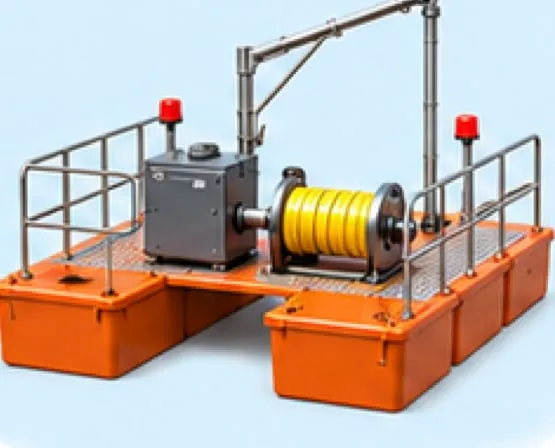
Control pontoon and winch
A solar-powered float with a winch that moves every lift line equally, so the batten stays level.
Controller
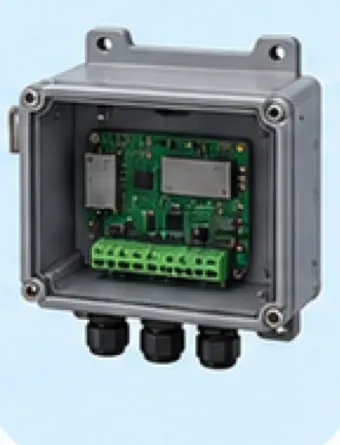
Sealed electronics that decide on site and report to shore. Emergency stop and manual override included.
Batten and verification node
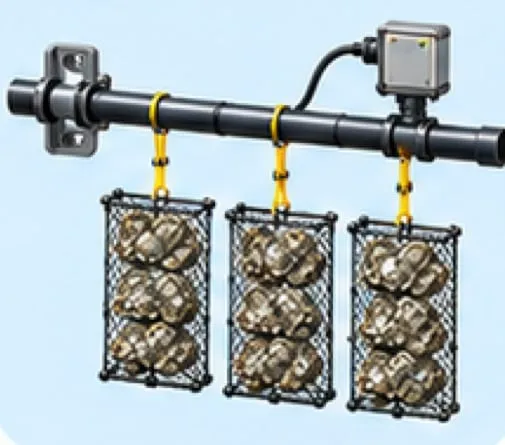
Your nets hang from an adjustable batten. A node on it reports the real depth after every move.
And a dashboard that gives you:
06 · How it works
01 · Sense
A sensor line reads the water at several depths.
You get: A picture of the whole water column.
02 · Decide
Pearlora suggests a better depth. Your operator says yes or no.
You get: An approved target depth.
03 · Act
A winch raises or lowers the baskets, within safe limits.
You get: Oysters in better water.
04 · Verify
A node on the batten confirms where the baskets ended up.
You get: Proof that it worked, kept on record.
Nothing moves without your operator’s approval, and every move is checked afterwards.
07 · Your turn
Drag a slider, then approve the move the way your operator would.
Illustrative simulation with made-up thresholds. Not site measurements.
Recommendation
Intervention log
08 · What it costs
Indicative, in Indonesian rupiah (M = million). To be validated with pilot farms.
09 · What happens next
Pearlora is a working prototype, not yet validated at sea. We are looking for P. maxima farms to trial it on a small area and measure the results with us.
Request a demo